Modern Digital Payment System
Why Your Company Needs an E-Sign API: Modernizing Document Signing in 2026
By 2026, the demand for streamlined document signing tools is more critical than ever. Businesses face increasing pressure to adapt to remote workflows and digital processes. E-Sign APIs offer a streamlined approach to collecting signatures, reducing processing delays and overhead. However, the shift is not without challenges. Understanding the benefits and implementation strategies can set organizations up for growth in today's highly competitive environment. What factors should organizations consider before integrating this type of platform?
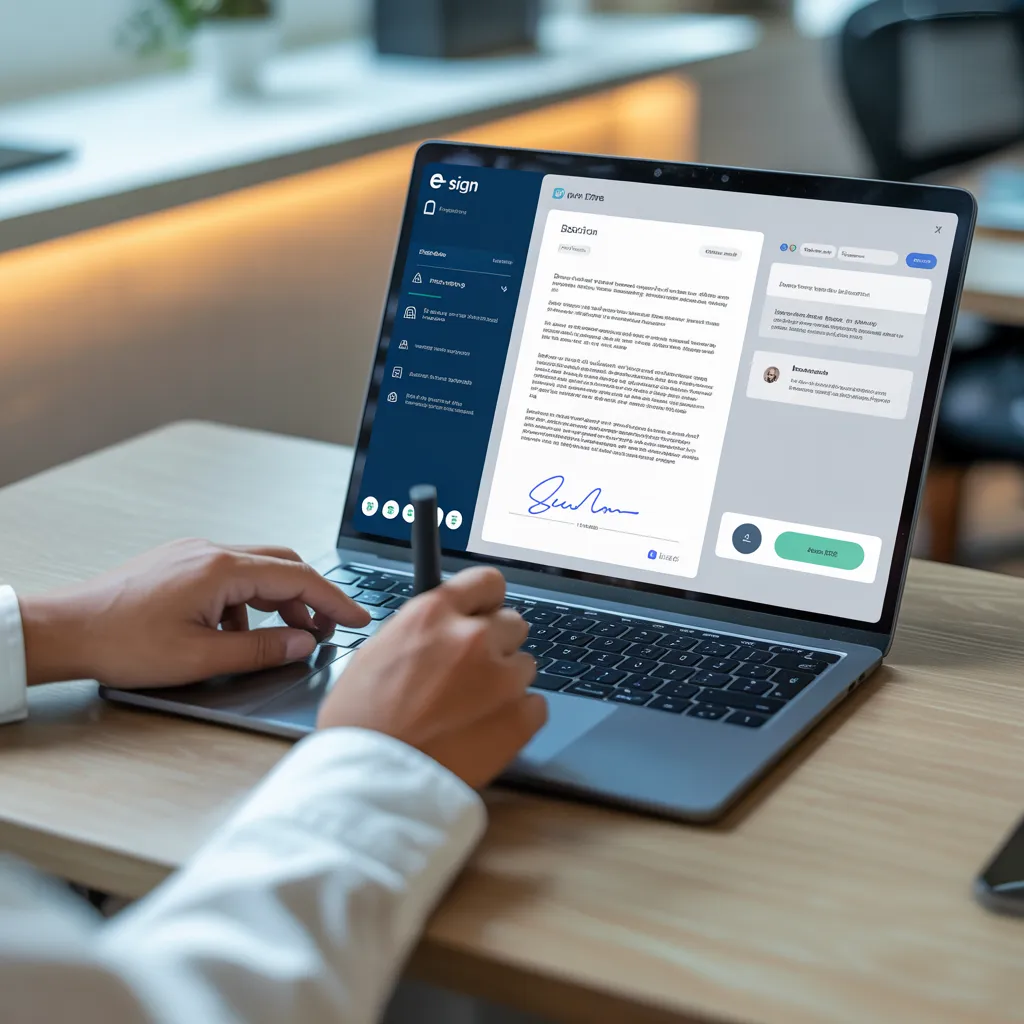
The Emergence of E-Sign APIs: Why They Matter in 2026
How have E-Sign APIs transformed the business landscape by 2026? The rise of E-Sign APIs has significantly transformed the way organizations handle document workflows. By streamlining the signing process, businesses have enhanced efficiency and reduced turnaround times, allowing for quicker transactions and decision-making. The integration of E-Sign APIs into existing systems has enabled seamless workflows, eliminating the need for physical signatures and paper documents. This shift has not only lowered expenses related to printing and mailing but has also supported sustainability initiatives by decreasing paper waste. In a challenging marketplace, businesses utilizing E-Sign technology have secured a significant edge, enhancing customer experiences with speedier service. Moreover, the expansion of remote work has driven the increased use of digital solutions, establishing E-Sign APIs as vital for organizations striving to maintain agility and responsiveness. Consequently, by 2026, E-Sign APIs have become integral to modern business operations, enhancing both operational efficiency and customer satisfaction.
Top 5 Reasons to Adopt an E-Sign API
Utilizing an E-Sign API offers companies many key advantages. Key benefits include improved workflow efficiency, advanced security protocols for documents, and budget-friendly management strategies. Understanding these key points can allow enterprises to make strategic decisions about incorporating e-signature solutions.
Enhanced Efficiency In Workflows
Integrating an E-Sign API reshapes business operations by streamlining document management processes. By systematizing the gathering of signatures, organizations can reduce delays traditionally associated with manual signing. Such streamlining boosts transaction times, permitting staff to finalize agreements and close deals more quickly. Moreover, implementing e-signing capabilities reduces the requirement for manual documentation, lowering operational overhead and elevating overall productivity. Team members can focus on value-added activities rather than pursuing sign-offs or processing documentation. What is more, live tracking and instant notifications guarantee that every stakeholder stay updated on document status, promoting smoother collaboration. In the end, implementing an E-Sign API leads to a dynamic and responsive organizational environment, empowering companies to adjust rapidly to dynamic industry trends and customer demands.
Enhanced Security Measures
A key benefit of employing an E-Sign API is the improved security it delivers for digital transactions. These APIs incorporate advanced encryption protocols, confirming that sensitive information remains protected during the signing process. Moreover, they often offer robust authentication methods, such as multi-factor authentication and biometric verification, which help confirm the identity of signers. This reduces the risk of fraud and unauthorized access, building greater trust in digital agreements. Beyond that, E-Sign APIs preserve a detailed audit trail, recording every action taken during the signing process, which can be critical for compliance and legal purposes. In summary, enhanced security measures not only safeguard organizations but also build confidence among clients and partners, ensuring digital transactions remain trustworthy and efficient.
Cost-Effective Document Management
Generating remarkable financial benefits, organizations are increasingly adopting E-Sign APIs for streamlined document management. By mechanizing the document signing procedure, companies decrease paper consumption and corresponding print-related expenditures, supporting a more eco-friendly business model. Furthermore, E-Sign APIs reduce operational costs by removing the reliance on physical filing systems and delivery services. This digital transformation accelerates transaction times, permitting organizations to seal contracts sooner and strengthen financial flow. Furthermore, the implementation of E-Sign API technology streamlines adherence to regulatory requirements, thereby reducing the risk of significant financial repercussions. Taken together, adopting E-Sign APIs not only enhances performance but also delivers meaningful monetary benefits, establishing it as an essential tool for companies striving to maintain a competitive edge in today's rapidly changing market.
Overcoming Typical Document Signing Obstacles
Within the realm of document signing, companies commonly struggle with inefficient manual processes and heightened security and compliance concerns. Such challenges can impede business productivity and leave organizations vulnerable to significant risks. Resolving these concerns is critical for unlocking the full potential of an E-Sign API.
Outdated Manual Workflows
Traditional document signing methods frequently introduce considerable inefficiencies that disrupt business operations. Businesses regularly face setbacks caused by the labor-intensive process of printing, signing, scanning, and distributing documents. Such traditional procedures may lead to misplaced files, miscommunication, and mistakes, which inevitably extend the signing timeline. Furthermore, reliance on physical signatures can hinder remote work and collaboration, restricting productivity. Staff members can waste valuable time chasing down approvals, pulling their attention away from essential duties. Additionally, the lack of automation increases the risk of compliance issues, as manual processes may not guarantee proper record-keeping. Transitioning to an electronic signature platform can resolve these obstacles, optimizing workflows and enabling organizations to function more effectively in a digitally driven landscape.
Security and Compliance Challenges
Managing security and regulatory requirements is vital for enterprises adopting electronic signature solutions. As digital dealings rise, enterprises face issues related to regulatory compliance, data breaches, and unauthorized access. Digital signature APIs offer comprehensive safeguarding tools such as authentication, encryption, and audit trails, which assist in reducing these threats. Adherence to regulations like the ESIGN Act and GDPR is vital, confirming that e-signatures maintain legal standing. Organizations must also evaluate the integration of e-sign solutions with established security measures to secure critical information. By prioritizing these aspects, companies can strengthen confidence among clients and stakeholders while streamlining document signing processes. Therefore, a meticulous framework for security and compliance is necessary for maximizing the benefits of e-signature technology.
How to Simply Integrate E-Sign APIs
Integrating E-Sign APIs can streamline document signing processes for businesses, boosting effectiveness and decreasing completion times. To get started, companies should evaluate their particular demands and pick an API that suits their purposes. Popular options include DocuSign, Adobe Sign, and HelloSign, each offering distinct features.
Additionally, programmers can take advantage of the API's documentation, which generally contains integration guides and code samples. Through the use of RESTful web APIs, organizations can readily link their established systems, such as document management platforms or CRMs. Integrating reliable authentication mechanisms, like OAuth protocols, helps keep data safeguarded throughout all transactions.
Examining the integration in a controlled environment allows organizations to address potential challenges before launching. Finally, educating employees on the integrated solution can maximize user adoption and optimize workflows. By adhering to this process, companies can successfully implement E-Sign APIs and significantly improve their document signing processes.
Strengthening Security and Compliance Via Electronic Signature APIs?
Incorrect. Incorporating electronic signature APIs notably enhances security measures and regulatory compliance for companies. These APIs utilize advanced encryption protocols to safeguard confidential information during transit, ensuring that documents remain confidential and tamper-proof. Through the use of advanced authentication techniques, like two-factor authentication, organizations can confirm the identities of document signers, decreasing the likelihood of fraudulent activity.
In addition, E-Sign APIs often provide detailed audit records that document every step taken on a document. This functionality is vital for conformance with legal requirements like the Electronic Signatures in Global and National Commerce Act and the Uniform Electronic Transactions Act. Companies can prove conformance to regulatory requirements, ensuring that signed documents are recognized as legally binding and valid.
In a rapidly evolving digital environment, focusing on security and compliance via E-Sign APIs not only secures confidential information but also strengthens trust among clients and partners. This forward-thinking strategy is essential for sustaining a reputable business.
Emerging Trends in E-Sign Technology for 2026
As businesses continue to emphasize safety and compliance using electronic signature APIs, the landscape of electronic signatures is evolving rapidly. In 2026, several emerging trends are shaping this technology. Artificial intelligence (AI) is increasingly integrated into e-sign solutions, elevating user interactions by streamlining processes such as document verification and personalized user interactions. Furthermore, distributed copyright technology is steadily gaining momentum, delivering permanent transaction logs and strengthening the reliability of digital signatures.
A further important trend is the growth of mobile-first solutions, permitting users to complete document signing smoothly on different devices. This change accommodates a growing remote workforce, optimizing workflows across various platforms. Additionally, enhanced biometric authentication methods are being adopted, continuously reinforcing system protection. As the need for effective, protected signing tools increases, businesses must adapt to these trends to remain competitive and secure conformity within a shifting regulatory framework.
Frequently Asked Questions
What Are the Fees Connected to Implementing an E-Sign API?
The expenses involved in deploying an electronic signature API generally encompass recurring subscription costs, integration fees, regulatory compliance measures, employee training considerations, and ongoing upkeep. Budget considerations should encompass both one-time setup costs and ongoing financial obligations.
How Can an E-Sign API Enhance the Customer Experience?
An e-sign API enhances the customer journey by providing a frictionless, effective signing process. It minimizes delays, eliminates paperwork hassles, and provides flexibility, enabling customers to execute documents rapidly and reliably from any device.
Can E-Sign APIs Support International Transactions?
Certainly, electronic signature APIs can facilitate international transactions, allowing seamless document signing across different countries. These solutions improve overall effectiveness, confirm compliance with multiple regulations, and provide a protected method for cross-border participants to finalize agreements swiftly.
What Kinds of Documents Are Eligible for Electronic Signatures?
Numerous document types can be signed electronically, covering contracts, agreements, invoices, consent forms, and legal notices. This adaptability boosts productivity across various industries, facilitating quicker transactions and reducing the reliance on physical paperwork for documentation processes.
Can E-Sign APIs Integrate With Existing Software Systems?
E-sign APIs are generally designed to be compatible with established software platforms, offering integration capabilities that allow smooth integration into diverse platforms. visit this page This boosts process efficiency and enables a wide range of business applications and document management solutions.